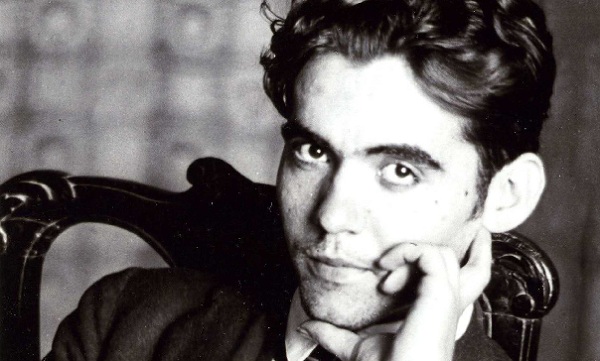
Federico García Lorca became one of Spain’s most influential modern poets by blending Andalusian folk tradition with daring avant‑garde imagery. Collections such as Gypsy Ballads and Poet in New York expanded Spanish-language lyric possibilities, pairing musical rhythms with surreal intensity and social critique, and inspiring generations of writers, musicians, and dramatists. Lorca’s homosexuality—dangerous to acknowledge in his time—shaped the emotional charge of his work: themes of forbidden desire, secrecy, longing, and vulnerability recur beneath its luminous surfaces. His murder during the Spanish Civil War turned him into a cultural symbol of artistic freedom and persecuted identity.
Quote: “The artist, and particularly the poet, is always an anarchist in the best sense of the word.”
Photo credit: Sipa Press/Rex


Leave a Reply